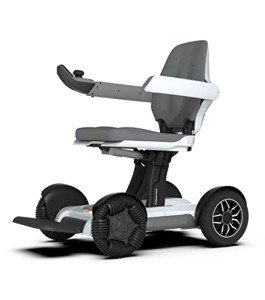


Mobility Scooter Near Me For Sale
FollowOverview
-
Founded Date August 27, 1976
-
Sectors Construction / Facilities
-
Posted Jobs 0
-
Viewed 9

Company Description
15 Presents For Those Who Are The Mobility Scooters UK Lover In Your Life
The Growing Popularity of Mobility Scooters in the UK
As the population ages, the requirement for available transportation alternatives has never ever been more pressing. Mobility scooters have actually become a trustworthy option for people with mobility obstacles in the UK. These electrical lorries offer liberty and independence to those who may have trouble strolling or navigating standard public transport. In this blog post, we will explore the numerous aspects of mobility scooters, highlighting their types, advantages, guidelines, and frequently asked questions.
What are Mobility Scooters?
Mobility scooters are battery-powered automobiles designed to assist individuals with mobility constraints. They are available in numerous styles and sizes to cater to various needs, varying from compact scooters for indoor use to larger models matched for outdoor travel. Mobility scooters can be a game-changer for their users, offering the ability to take part in social, leisure, and everyday activities without depending on others for transport.
Kinds Of Mobility Scooters
There are a number of types of mobility scooters, each designed to satisfy particular user requirements. Below is a table laying out the primary types:
| Type | Description | Suitable Use |
|---|---|---|
| Class 2 Scooters | Designed for pavement usage, restricted to 4 mph. | Parks, shopping locations, residential streets. |
| Class 3 Scooters | Can be utilized on roads and have an optimal speed of 8 mph. | Streets, town centers, longer journeys. |
| Portable Scooters | Light-weight and foldable, ideal for transportation in cars. | Travellers, indoor usage. |
| Sturdy Scooters | Developed for larger individuals and rough surface. | Outdoor exploration, rough surfaces. |
| Three-Wheel Scooters | Frequently more maneuverable, ideal for tight spaces. | Indoor usage, little stores. |
| Four-Wheel Scooters | More steady than three-wheelers, appropriate for outside use. | Longer outside journeys, uneven courses. |
Benefits of Mobility Scooters
Mobility scooters use many benefits, making them a vital tool for those with mobility problems. Here are a few of the essential advantages:
- Independence: Users gain the capability to move freely without relying on assistance.
- Alleviate of Use: Most scooters are simple to run, equipped with simple controls.
- Comfort: Many scooters come with padded seats and adjustable armrests for boosted convenience during travel.
- Accessibility: They can be useful for accessing areas that might be tough to browse on foot.
- Affordable: Compared to conventional cars, mobility scooters are reasonably affordable, both in terms of purchase and upkeep.
- Health Benefits: Having mobility aids can motivate users to engage in outdoor activities, which can improve overall wellness.
Essential Regulations to Consider
In the UK, mobility scooters are managed to ensure safety for users and pedestrians. Users ought to understand the following regulations:
- Registration: Class 3 scooters need to be registered with the DVLA, while Class 2 scooters do not need registration.
- Insurance: Although not necessary, it is suggested to have insurance that covers third-party liability.
- Driving Licence: No driving licence is needed to operate a mobility scooter, but users must be skilled to deal with the lorry.
- Devices Requirements: Class 3 scooters should fulfill particular security requirements, such as lights and indications.
Picking the Right Mobility Scooter
Choosing the best mobility scooter can be an overwhelming job due to the range of choices available. Here are some factors to think about:
| Factor | Factors to consider |
|---|---|
| Weight Capacity | Guarantee the scooter can support the user’s weight. |
| Terrain Type | Pick a scooter based on the typical surfaces it will traverse. |
| Portability | Think about how easily the scooter can be carried. |
| Battery Life | Try to find a scooter with enough variety for day-to-day activities. |
| Convenience Features | Choose models with adjustable seating and additional accessories. |
| Budget | Identify an affordable cost range and think about financing alternatives. |
Regularly Asked Questions (FAQ)
1. Are mobility scooters covered by the NHS?
Mobility scooters are not generally provided by the NHS, but some financial support might be offered for those who certify. Users may think about calling regional councils or charities for potential financing alternatives.
2. What is the life expectancy of a mobility scooter?
The majority of mobility scooters have a lifespan of 3 to 5 years, depending upon use, maintenance, and battery life. Routine upkeep can significantly lengthen the scooter’s life.
3. Can mobility scooters be utilized in the rain?
While lots of scooters are created to stand up to light rain, they must not be submerged in water. It is a good idea to avoid using them in heavy rain to prevent electrical damage.
4. Do I need insurance for a mobility scooter?
While insurance coverage is not legally needed, it is extremely suggested to cover potential liabilities or damages.
5. How quick can mobility scooters go?
Class 2 scooters are limited to 4 miles per hour, while Class 3 scooters can reach speeds of approximately 8 miles per hour on roadways.
Mobility scooters are changing the lives of numerous people in the UK by supplying a path to self-reliance and social engagement. With different models and types readily available, users can find a scooter that fits their personal requirements and lifestyle. By considering guidelines, carrying out proper research, and comprehending the advantages, potential purchasers can make informed decisions that enhance their quality of life. As innovation advances, we can anticipate to see even more innovations in Mobility Scooter Stores scooters, further supporting the mobility and self-reliance of users across the UK.