


Best 8mph Mobility Scooters Uk
FollowOverview
-
Founded Date December 28, 1925
-
Sectors Restaurant / Food Services
-
Posted Jobs 0
-
Viewed 3

Company Description
The No. 1 Question Everyone Working In Disability Scooter Should Be Able To Answer
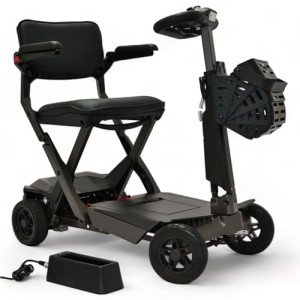
Understanding Disability Scooters: A Comprehensive Guide
Disability scooters, frequently described as mobility scooters, have ended up being necessary devices for various people with mobility challenges. These scooters not only enhance the independence of users but likewise supply a means to browse through various environments with ease. This blog post intends to deliver an extensive understanding of disability scooters, their benefits, features, and essential factors to consider, along with responding to frequently asked questions.
What is a Disability Scooter?
A disability scooter is a battery-powered car created to assist those with mobility problems. They are equipped with comfortable seating, handlebars, and controls, making them appropriate for both indoor and outside usage. Mobility scooters been available in numerous sizes and designs, catering to various needs and preferences.
Secret Features of Disability Scooters
| Function | Description |
|---|---|
| Size and Weight Capacity | Mobility scooters been available in different sizes, normally accommodating users from 250 lbs (113 kg) to over 400 lbs (181 kg). |
| Speed | Most scooters can reach speeds of 4 to 8 miles per hour (6.4 to 12.9 km/h), depending on the model. |
| Range | The range a scooter can travel on a complete charge normally varies from 10 to 30 miles (16 to 48 km). |
| Turning Radius | Scooters vary in turning radius, with compact models having a tighter turning radius, making them ideal for indoor use. |
| Battery Type | Normally geared up with lead-acid or lithium-ion batteries, affecting weight, charging time, and longevity. |
| Tires | Depending upon the model, scooters might include solid or pneumatic tires for different surfaces. |
Kinds Of Disability Scooters
Mobility scooters can be classified into several types based upon their planned use:
-
Three-Wheel Scooters:
- Ideal for indoor usage and tight spaces due to a smaller sized turning radius.
- Simpler to navigate however less steady than four-wheel designs.
-
Four-Wheel Scooters:
- Provide better stability and assistance for outside usage.
- Appropriate for rough terrains and longer distances.
-
Portable or Folding Scooters:
- Lightweight and developed to be disassembled for easy transport.
- Suitable for users who regularly take a trip or have actually limited storage space.
-
Durable Scooters:
- Built to support higher weight capacities and rugged surfaces.
- Engineered for users requiring robust efficiency and sturdiness.
Benefits of Using Disability Scooters
The advantages of using a mobility scooter are various, and they contribute significantly to enhancing the quality of life for users. Here are some of the main benefits:
- Increased Independence: Mobility scooters empower users to travel freely without support, promoting independence.
- Enhanced Comfort: Modern scooters come equipped with adjustable seats, armrests, and suspension systems for a comfy trip.
- Access to Various Environments: Users can browse around homes, going shopping malls, parks, and other public areas with ease.
- Safety Features: Many scooters are created with safety features such as anti-tip systems, headlights, and reflective products for better exposure.
- Economical: Compared to powered wheelchairs, mobility scooters are typically more budget friendly and easier to preserve.
Essential Considerations When Choosing a Disability Scooter
Picking the best Buy mobility scooter Near me scooter involves a number of crucial considerations to guarantee it meets the user’s requirements:
-
User Weight Capacity: Verify the weight limitation of the scooter and choose one that accommodates the user conveniently.
-
Surface Types: Consider the terrain where the scooter will primarily be utilized (e.g., indoor, pavement, rough surface) and pick a design matched for that environment.
-
Portability Needs: If the scooter will be transferred regularly, a lightweight or collapsible model may be essential.
-
Comfort and Size: Ensure that the seat is comfy and the scooter is the ideal size for the user’s body.
-
Battery Life: Assess the battery capacity and variety to guarantee it fulfills the user’s requirements for everyday activities.
-
Security Features: Look for robust security functions, especially if the user will browse busy or crowded areas.
FAQs About Disability Scooters
1. Are mobility scooters covered by insurance?Many medical insurance plans cover mobility scooters under specific conditions. It’s important to talk to the particular insurance supplier and get a prescription from a healthcare expert. 2. How fast can a disability scooter go?Most mobility scooters can reach speeds varying from 4 to 8 mph( 6.4 to 12.9 km/h). Users
ought to validate the speed limitation according to their needs. 3. Can I drive a mobility scooter on the road?Regulations concerning utilizing mobility scooters on public roads differ by place.
Users need to validate local laws and regulations. 4. How far can I travel on a complete charge?Range can vary based on the design and terrain type but normally varies between 10 to 30 miles(16 to 48 km)on a complete charge. 5. What maintenance does a mobility scooter require?Basic upkeep consists of regular battery checks, tire pressure tracking, and ensuring that electrical connections are safe. Disability scooters represent
a substantial advancement in mobility innovation, using users improved liberty and independence. By understanding the different types, features, and considerations when acquiring a scooter, users can
make informed choices that best suit their needs. As mobility technology continues to evolve, disability scooters will stay integral in cultivating inclusivity and ease of access for all.
